
Blog
Articles on AI automation for business.

AI in Manufacturing: 4 Systems That Work on the Shop Floor
AI in manufacturing in practice: machine vision for quality control, edge AI at the machine, a private knowledge base and AI agents working in the ERP.

Claude vs ChatGPT for Business: Pricing and Features Compared (2026)
Claude vs ChatGPT for business: Team and Business plan pricing, data security and features compared, plus a decision table and a one-week test to run.

Is AI Safe for Your Business? 9 Rules Before You Let AI Near Your Data
Is AI safe for business? Three real risks, nine rules for a safe rollout, GDPR, the AI Act and NIS2 in 2026, and five questions to ask an AI supplier.

Claude Cowork: a practical guide for businesses (2026)
Claude Cowork after the chat merge: what it is, what it costs, how to start and which business tasks to hand it. Updated September 2026, with safety tips.

Anthropic's economic scenarios for 2030: which side of the ledger is your business on?
Anthropic modelled three AI futures for 2030. GDP grows in all of them and labour's share falls. What the model implies for a company of 10 to 200 people.

Jacob Coxon quit Anthropic: "gambling with our lives". What it means for your business
Jacob Coxon quit Anthropic: "gambling with our lives". 146M views, confirmed by Anthropic's safety lead. What it means for the AI agent in your company.
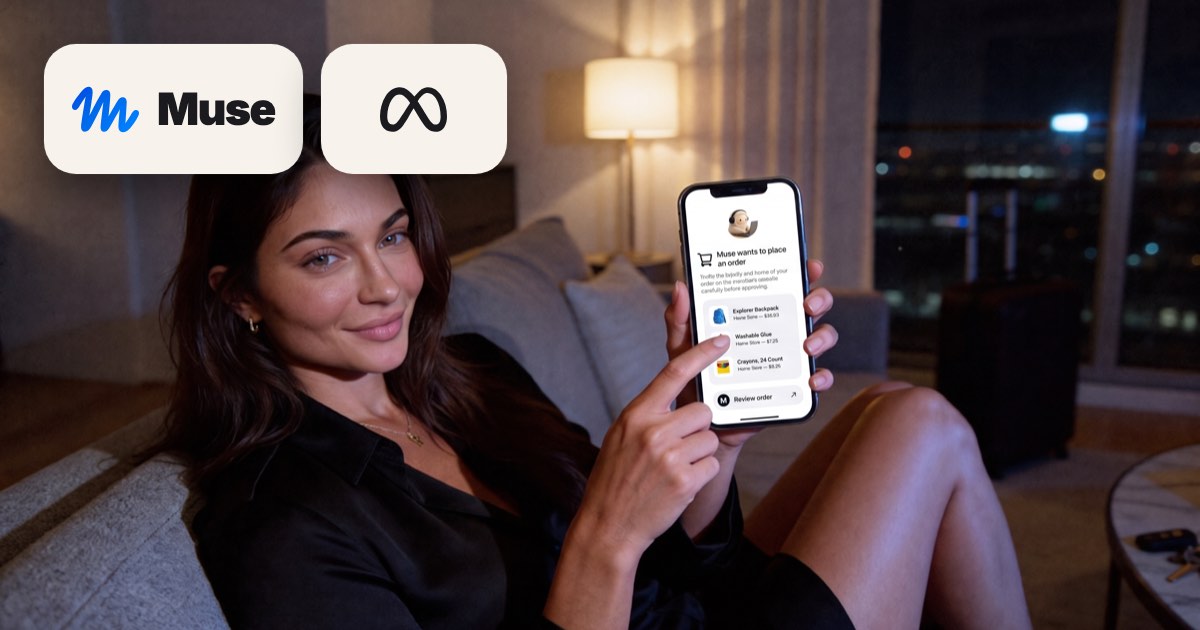
Meta Muse: the AI agent that writes your emails, books your trips and negotiates for you. What it means for your business
Meta launched Muse, an AI agent that emails, books and negotiates for you. US only. Five safeguards to demand from any agent and three processes to start.

Your chatbot has to say it's AI. From 28 October a regulator checks
Since 2 August 2026 chatbots and voice agents must disclose they are AI. From 28 October Poland's KRiBSI can inspect and fine. What to fix, and how.
When your best employee leaves — who owns what they knew
Losing knowledge when an employee leaves is an operations problem, not an HR one. Where it leaks, and how to capture it before somebody else pays for it.

AI voice agent answering calls at a clinic reception desk
Three things decide whether a voice agent really answers your phones: handing calls back to a human, calendar access and an honest model limit.

Kimi K3: the Chinese AI model that shook the market — and what it means for your business
The Kimi K3 launch moved the stock market in three days. What the Chinese model can really do, what it costs and when it beats the US options.

Fable 5: 4 prompts to squeeze the most out of the world's most powerful AI
Four prompts that turn Fable 5 from a novelty into a working tool. What the model is actually good for and how to set it up so it delivers work.
Find Skills — AI, które samo dobiera narzędzia
Instead of configuring your assistant from scratch, you let it find a ready-made skill for the job. What Vercel's Find Skills is and how to use it.

Hermes Agent: the free AI agent that works 24/7
An AI agent that remembers your conversations and works non-stop, for free. What it can do, how to set it up and where the free version runs out.

5 Claude Code Skills That Give Your Business an Edge
Skills are ready-made abilities you install into the AI with one command. Five that genuinely cut working time, and how to set each of them up.

Agent loops: the end of prompting AI
Instead of writing prompt after prompt, you set a goal and a loop. What agent loops are, when they make sense at work and where they break down.

NotebookLM as a second brain for your business — Prospere AI guide
How to use NotebookLM as a working second brain: load your documents, query them, and turn the answers into content. With practical examples.

Local AI: artificial intelligence without sending your data to the cloud
How to run AI on your own hardware when the data cannot leave the building. Who it suits, what it costs and what a local model will not do for you.

AIOS: I run my whole agency on one AI system — and soon every small business will need one
One AI system that takes over the repetitive work and runs 24/7. How I built it for my own agency, what it is made of and what it actually gives.

Claude AI for beginners — a business guide
What Claude AI is, what it costs, and how to start using it in your business step by step — no technical background needed. A beginner's guide.

Claude /goal: the one command that forces AI to ACTUALLY FINISH the task
What the /goal command does in Claude Code, when it helps, and how to write one the model actually follows through to the end. With examples.

Obsidian + Claude Code: AI Second Brain in One Prompt (Karpathy's Method)
The Andrej Karpathy second-brain prompt, adapted for Obsidian and Claude Code: the full prompt, the vault structure, and how to run it daily.

I Fired My €2,000/Month Agency. Replaced It with AI for €70. Here’s What Really Happened.
We check the viral story of swapping a 2,000 euro agency for AI tools. What holds up, what gets left out, and when the swap actually makes sense.

EU AI Act in Poland 2026: What It Means for Your Business
Which AI Act obligations apply to small and mid-sized companies, when they start, and what you need to prepare. Plain language, no legalese.

AI Automation Across 12 Industries: Real Examples and Results
How AI automates finance, logistics, healthcare and nine more industries. Concrete processes, numbers and payback times you can apply yourself.

How Much Does a Company Actually Earn After Implementing AI? Real Numbers from 12 Case Studies
Real numbers from 12 AI deployments: hours saved, revenue gained, and actual return on investment. No promises, just the results.

AI Agent: How One Program Replaces a Social Media Manager, Copywriter, and Analyst — Simultaneously
How a single AI agent takes over social media, copywriting and analytics work: what it actually handles, and what it does not. With examples.